A Dream Dictionary Designed by You
How to Begin Building a Personal Lexicon of Symbols and Meanings That Evolve As You Do


For decades, dream dictionaries have promised neat definitions for messy mysteries. Dreaming of a snake means shedding of old ways or transformation, house symbolizes the mind or self, water is tied to emotion… you get my drift (pun intended).
Using a generic dream dictionary is fine as a starting point (I grew up interpreting my own dreams using my mom’s dream dictionary), but as your dreamwork deepens, your intuition sharpens and your awareness expands. You’ll start to notice the symbols from your dreams appearing in your waking life, gentle reminders nudging you to keep paying attention and honoring the messages they carry.
That’s when you move from a passive dreamer to a modern day, intuitive dreamworker. And dreamworkers don’t rush to someone else’s glossary, they craft their own and their dreams become a sacred practice.
The more you define your dream language by day, the more fluent you become in it by night - turning your dreams into true, two-way conversations.
If you’re ready to start creating your own dream dictionary, grab a pen and paper or digital notepad.
Before you dive in, give yourself a little space to arrive.
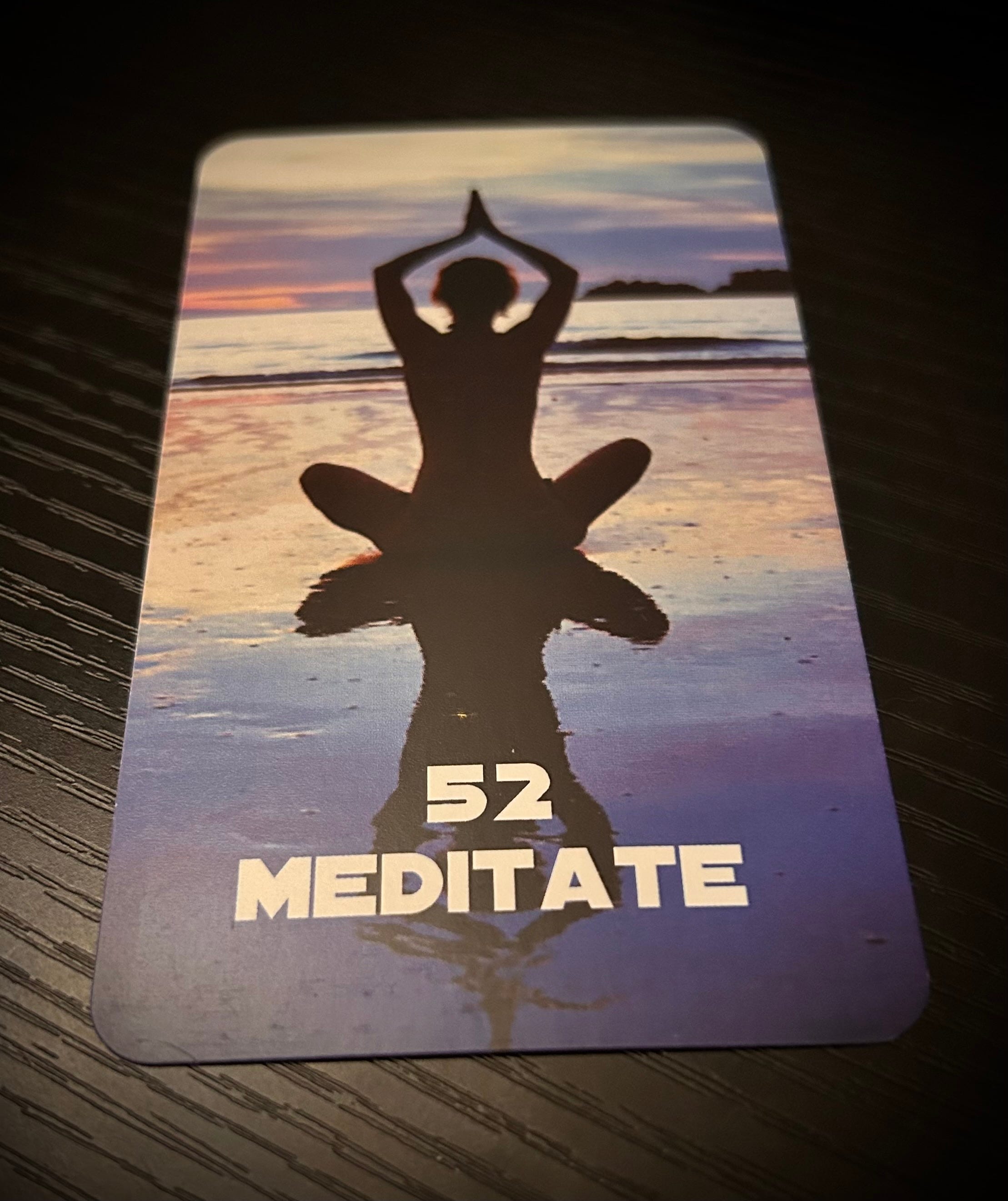
This works best when you have about thirty minutes in a quiet place, somewhere you can hear yourself think and feel.
Take a few slow, steady breaths. Let the noise of the day fall away. When you’re ready, open your eyes and begin writing what comes.
Step 1: Write Down What Repeats
Start by noting the visuals that keep showing up. Write down all of the symbols, settings, and characters that appear again and again in your dreams. These recurring elements are the anchors and will be the first words in your dream dictionary.
Maybe there are always house in your dreams or you consistently find yourself trapped in a building you can’t get out of. Is there a particular animal that shows up without fail? Are you always late and confronted with a symbol of a watch or the concept of time?
Each time one appears, jot down what was happening and how you felt. The feeling often reveals more than the image itself.
Your dreams are consistent communicators so track what repeats first. After you jot down the first words, start looking at common dream themes and symbols and add how they might show up visually and what it means for you.
Step 2: Let Emotion Shape the Meaning
When you reflect on a dream symbol, start with your emotional response.
Ask yourself:
How did I feel in that scene?
What was happening in my waking life that week?
Does this connect to something I’ve been processing or resisting?
The emotion gives the symbol context. Your dream language isn’t a static list of meanings; it’s influenced by what’s unfolding in your life right now.
Step 3: Keep It Alive
Your dream lexicon should never feel finished. Again, it’s a living document that grows as you do.
A symbol that once carried fear might later bring comfort. A storm that once meant chaos might one day represent emotional release. Revisit your notes every so often and see what’s changed.
Examples from My Personal Dictionary
✈️ Airports and Public Transportation

When I’m traveling (flying, on a bus, or boarding a train) it often signals swift movement, transition or change. Whether I’m serving as a guide, accompanying a soul on a train to help them cross over OR I see myself on a plane headed to a new destination, I know life is about to get really interesting, really fast. Sometimes these dreams are precognitive and can foretell an upcoming opportunity to travel as well.
🏠 House
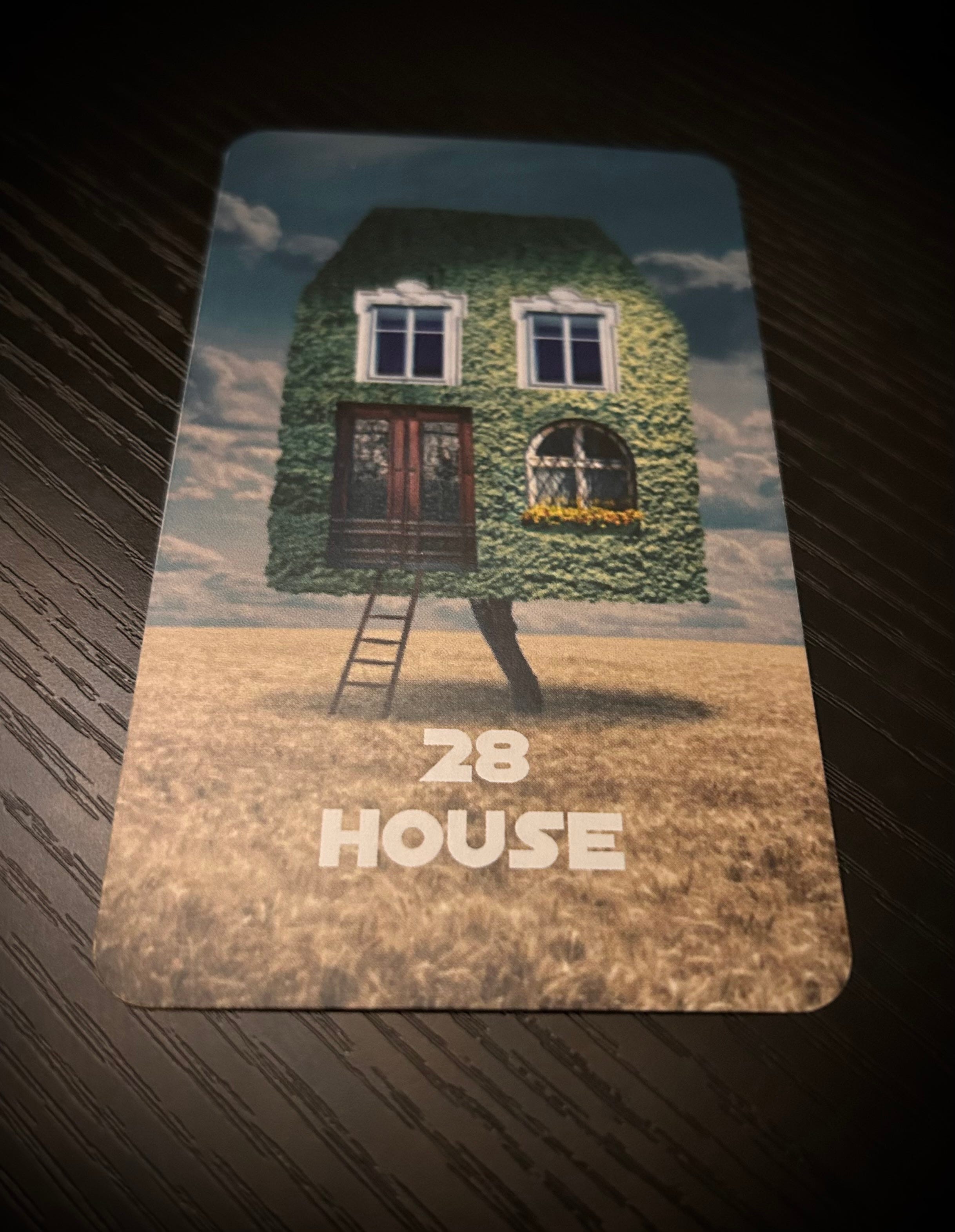
Houses are really important to me, my father used to bring home large cardboard boxes and cut out windows and doors so I’d have a quiet little home of my own. Houses are my safety net so when I dream of a house that usually means I’m overwhelmed and retreating to a safe space to sort out challenging emotions.
For others the house could represent self or the subconscious mind.
🏫 School or Classroom
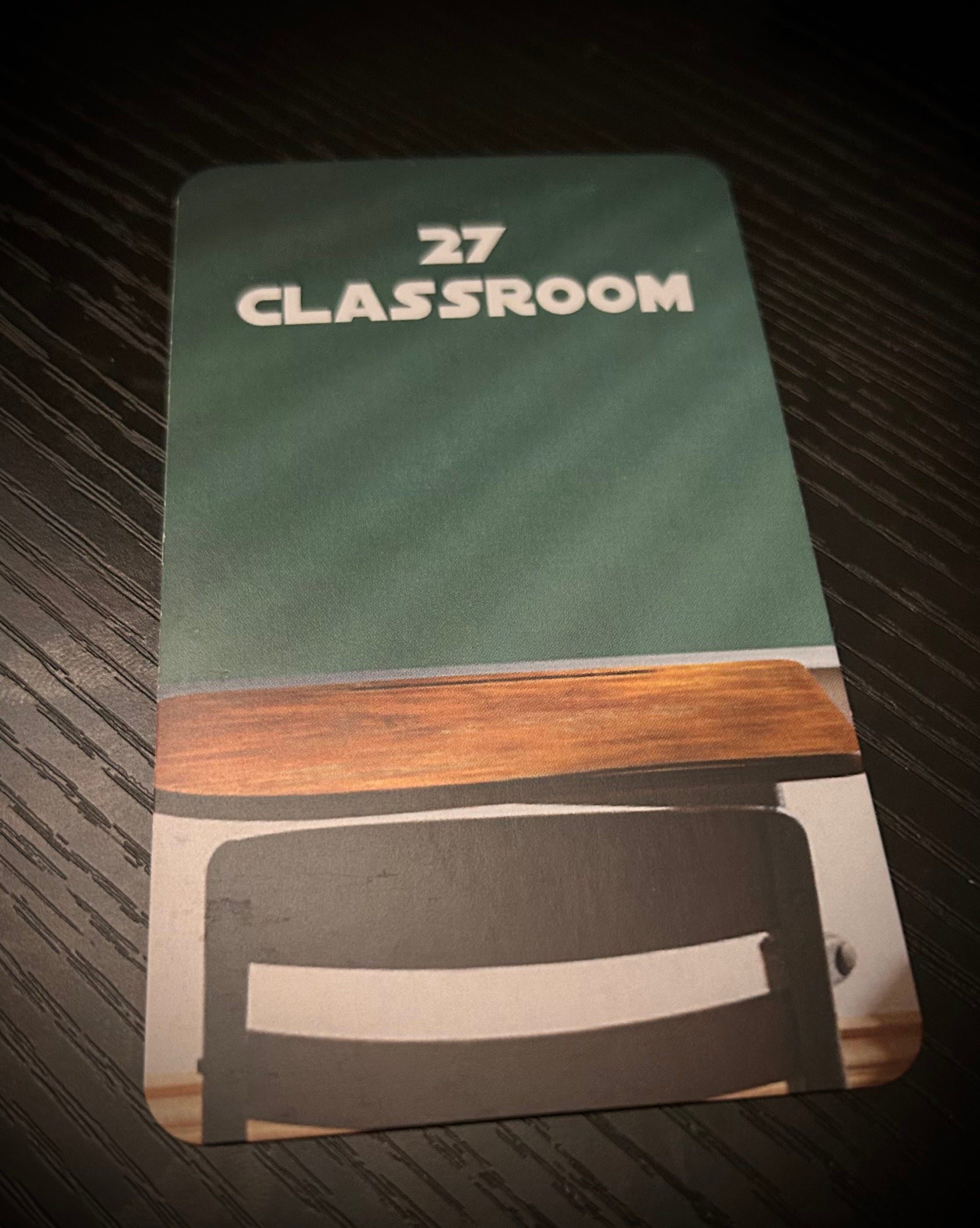
For years, I’ve dreamed of being in a class or wandering a campus. For me, school is especially important because I love learning. It represents my ongoing quest for more knowledge (my name literally means “knowing woman” or “knowledge”) personal lessons and areas I still need to work on. The last few years, however, they’ve changed - I used to see myself as a student in class but now I see myself as a teacher. This speaks to my position in different communities as a mentor and teacher.
👜 Personal Belongings
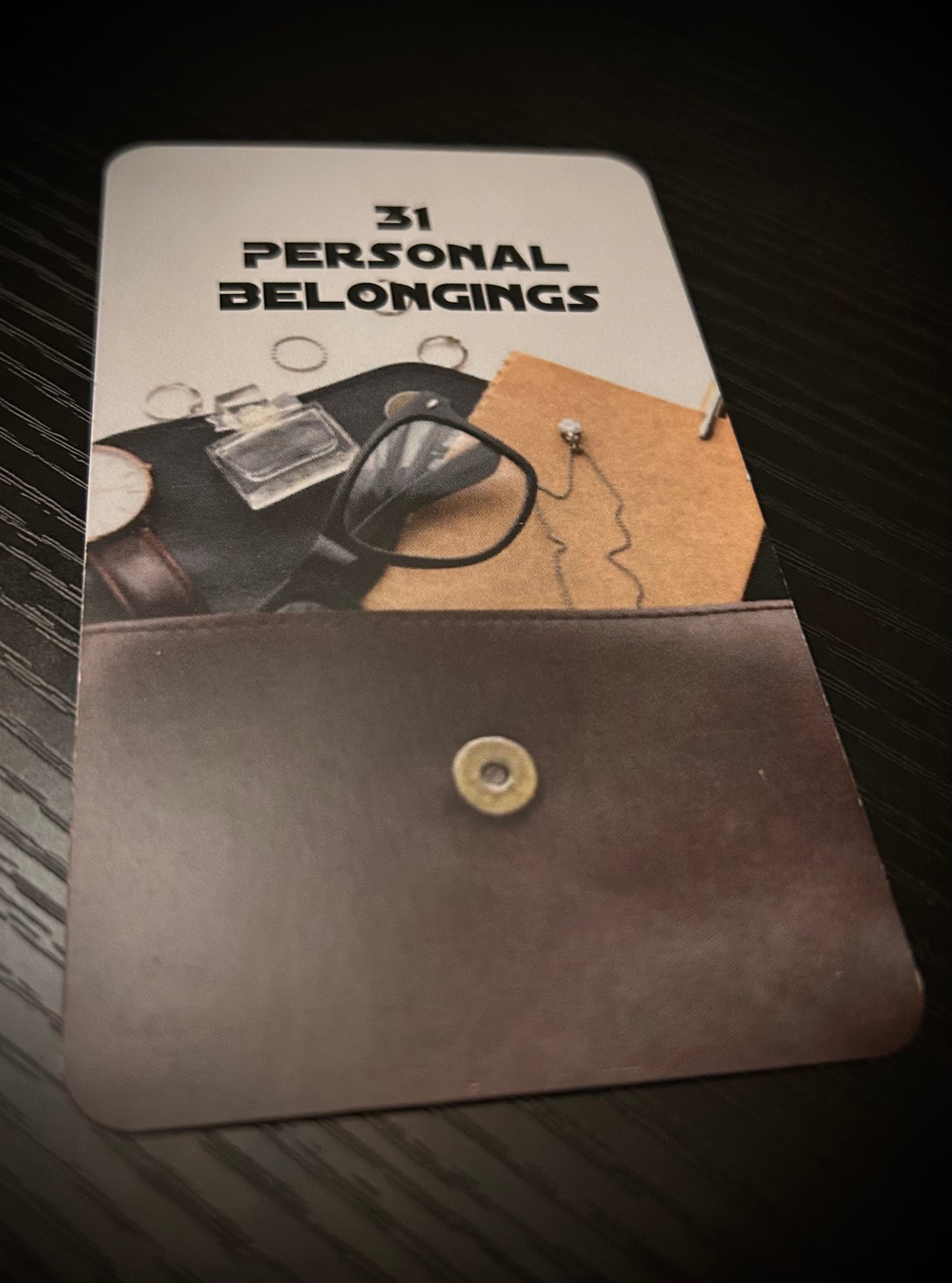
My purse, identification or other personal belonging like my keys, always point to my identity, money, energy, or self-worth. Losing them or having them stolen - as I often dream - usually signals a boundary check or a call to get grounded in practical matters. I’m an air sign so I can get pretty flighty.
💀 Death

As a medium, dreams of death have become pretty commonplace in my world. When I dream of death I sometimes have to do some digging to understand if it’s literal or figurative. I ask myself what is dying in my life that I’m having a hard time letting go of OR who has passed and needs my help guiding, witnessing, or delivering a message.
Put It into Action
Write down three recurring dream symbols.
For each, note what was happening and how you felt.
Finish this sentence: “This symbol means ___ to me.”
Keep the list close - in your journal, phone, or somewhere you’ll return to.
Dreamwork is about listening to your soul self and learning your own rhythm. The more you listen, the more fluent you become in its language. Every night becomes a new conversation, and every morning, a chance to understand yourself a little more clearly.
I appreciate your guidance for building a personal dream dictionary.
There are several locations that have recurred in my dreams for much of my life. I like the suggestion to notice patterns in their recurrence and my dream or waking emotional state.